
Roof Leaking in Heavy Rain: What Should You Do?
Practical first steps for limiting damage, recording what you can see and arranging a safe roof inspection.
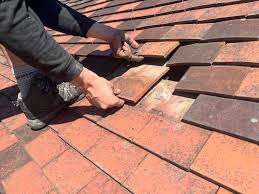
A damp patch or drip indoors can be worrying, but the visible mark may not be directly below the point where water is getting in. Prioritise safety, limit further damage where you can, and arrange for the roof to be inspected rather than attempting to access it yourself.
Make the area safe
If water is near lights, sockets or electrical equipment, do not touch wet fittings. Keep people away and contact a qualified electrician if there is an electrical safety concern. If the ceiling is bulging or appears unstable, keep clear of the area.
Record what you can see
Note when the leak appears, which rooms are affected and whether it seems to change during rain. Photos taken from a safe position can help explain the symptoms. Move belongings out of the way if it is safe to do so and use a container to catch drips.
- Do not climb onto a wet or damaged roof.
- Avoid disturbing ceiling materials or insulation.
- Make a note of recent weather and any visible changes indoors.
- Tell your roofer about any previous repairs or known roof alterations.
Arrange an inspection
A roofer can check likely entry points and nearby details, such as flashings, roof edges and damaged coverings. Ask what has been found, what work is proposed and whether any further investigation is needed before agreeing repairs.
Why does my roof only leak during heavy rain?
A defect may only become visible when more water reaches it or wind drives rain towards a vulnerable junction. Overflowing drainage can also be involved. The pattern is useful information for an inspection, but it does not establish the cause on its own. Record the conditions and which part of the house is affected; do not test the roof by climbing onto it or spraying water at it.
Requesting urgent roof help in Essex
Give the property postcode, whether water is still coming in and any immediate safety concern when you contact a roofer. Ask about current availability and whether temporary weatherproofing or further investigation is appropriate. An enquiry is not a confirmed emergency appointment, and safe access and weather can affect what can be done.